Loading...
Abilene Concrete serves Brownwood, TX with slab foundations, driveways, patios, and flatwork built for Brown County soils. We handle permits, show up on time, and respond to every inquiry within 1 business day.
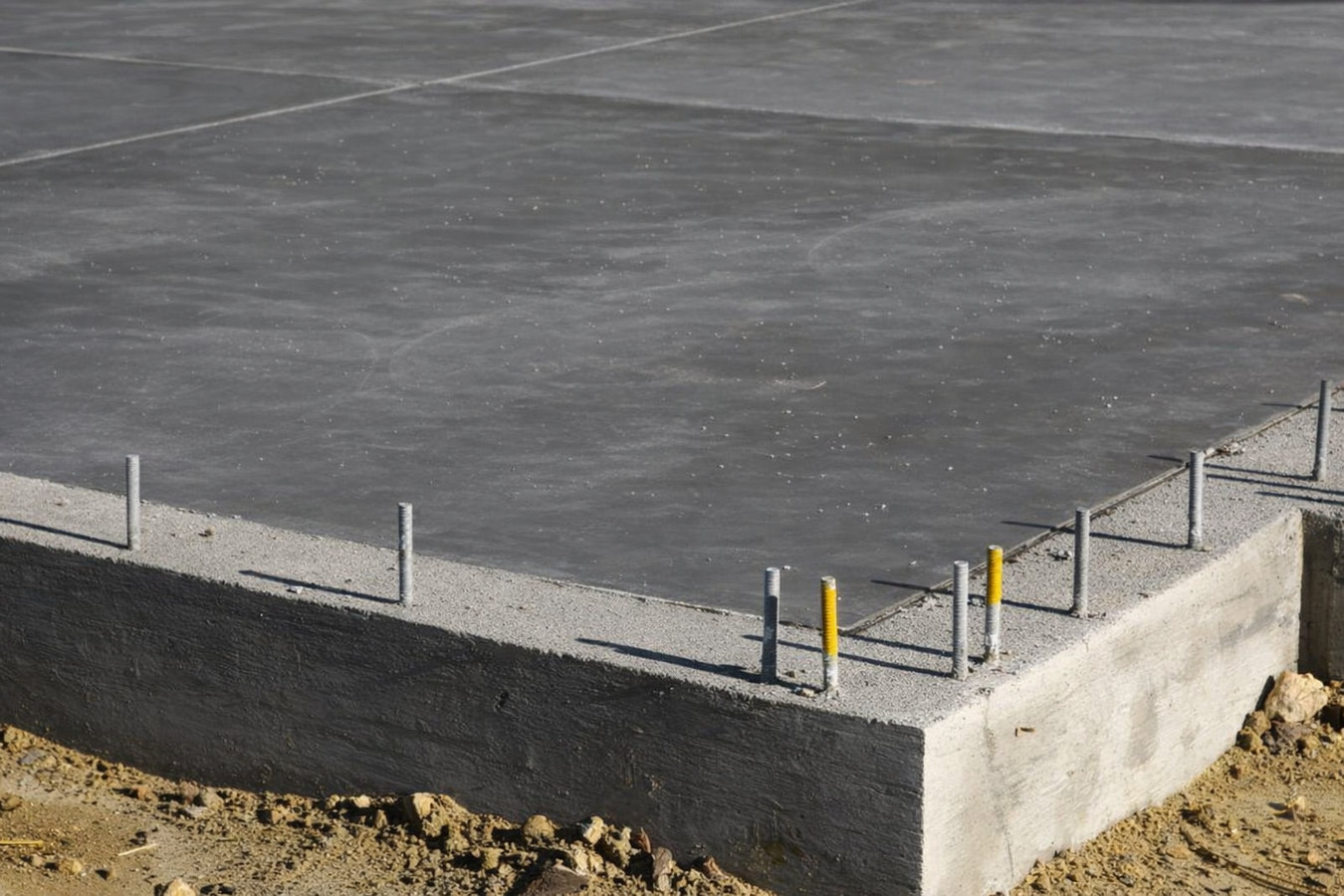
Brownwood homes built in the 1940s through 1960s sit on foundations that predate modern soil preparation standards, and the clay and caliche soil beneath them has been moving ever since. Our slab foundation building service starts with proper moisture conditioning and compaction of Brown County soil before a single load of concrete arrives, so the finished slab is built to work with this ground, not against it.
Many Brownwood driveways in the older neighborhoods near downtown and around Howard Payne University are original to homes built 50 or more years ago. Those slabs have been working against the area's shrink-swell soil for decades, and most are well past the point where patching makes financial sense. Replacement with a properly prepared new concrete slab ends the cycle of cracking and uneven surfaces.
Brownwood's spring evenings and fall weekends are when residents actually want to be outside, but a cracked or heaving patio makes that difficult. A concrete patio poured on a stable gravel base, with proper control joints, gives you a flat, usable outdoor surface that holds up through central Texas wet-dry cycles without the annual maintenance that wood decking demands.
Properties on the rolling terrain around Brownwood and out near Lake Brownwood often have slopes that shed soil toward the foundation after heavy rain. A concrete retaining wall with proper drainage built in stops that erosion, creates usable level ground, and reduces the long-term pressure on the foundation itself.
Established Brownwood neighborhoods have mature trees whose roots have been lifting and cracking sidewalk slabs for years. Replacing deteriorated walks with concrete poured at the right depth, with joints placed to manage future movement, gives you a level, safe surface that meets current city standards.
Brownwood sits at the geographic transition between the Rolling Plains and the Edwards Plateau, and the soil reflects that mix. Much of Brown County contains expansive clay and caliche, a calcium carbonate-rich hardpan that can make excavation difficult and that affects how moisture moves beneath a slab. When rain comes, the clay swells. When the long central Texas dry spells arrive, the clay contracts and can pull away from foundation edges by an inch or more. That cycle does not stop, and concrete that was poured without accounting for it shows the damage within a few years, not decades.
The summer heat compounds the challenge. Brownwood regularly sees temperatures from 95 to 100 degrees Fahrenheit from June through August, and the combination of heat and low humidity pulls moisture out of freshly poured concrete faster than it should cure. Winter brings the opposite problem: short but real freeze events, sometimes dropping below 20 degrees, that crack any concrete surface that has absorbed moisture in a hairline gap. The 2021 winter storm exposed just how poorly older Brownwood properties were prepared for that kind of cold snap, with cracked driveways and damaged slabs appearing across the city in the weeks that followed.
A large share of Brownwood's housing was built before 1970, which means most of the original concrete flatwork and foundations in established neighborhoods predate the soil preparation practices and reinforcement standards used today. According to U.S. Census data for Brown County, a high proportion of the county's housing stock dates from the mid-20th century. Many of those properties reward a contractor who knows what decades of soil movement looks like before they start digging.
We pull permits from the City of Brownwood and have worked on properties across Brown County, including in-town homes, commercial work near downtown, and properties out toward Lake Brownwood where the soil and site conditions differ from what you find on a standard city lot. That variety means we do not apply a one-size approach to every job here.
Brownwood is the county seat and commercial center of Brown County, with Austin Avenue and the area around the historic Brownwood Coliseum serving as anchors for the older parts of town. Neighborhoods around Howard Payne University, which has been part of this community since 1889, include some of the city's older housing stock where original foundations and driveways are a common project type. The lake properties to the north, near Lake Brownwood State Park, tend to have larger lots, older cabins, and concrete work that has been deferred for years.
We also serve homeowners in nearby areas, including Stephenville to the northeast and Abilene to the northwest, where the soil and building conditions are similar to what we work with in Brown County every week.
Reach out by phone or through the contact form. We respond within 1 business day to collect basic project details and schedule a free on-site estimate at a time that works for your schedule.
We visit the property to look at site conditions, soil, drainage, and access. Brownwood soil varies enough between the older downtown neighborhoods and properties out near Lake Brownwood that we always inspect before quoting. You receive a written, itemized estimate before we leave.
If your project requires a City of Brownwood permit, we manage the application on your behalf. You do not need to navigate that process alone. Once the permit is approved, we confirm your start date and walk you through the project timeline.
Our crew handles everything from ground prep through the pour, finishing, and cleanup. Before leaving, we walk you through the finished work and explain the curing period so you know what to keep off the surface and for how long.
We serve homeowners and property owners across Brownwood and Brown County. Free on-site estimates, written scope before work starts, and permits handled for you.
(325) 283-1159Brownwood is the county seat of Brown County, located in central Texas roughly midway between Abilene and the Dallas-Fort Worth metroplex. The city has a population of approximately 18,000 to 19,000 and has remained relatively stable in size for decades, which means most residents are long-term homeowners rather than people passing through. Howard Payne University, founded here in 1889, is one of the city's most recognizable institutions and anchors the northeast side of town. The older neighborhoods radiating from downtown are characterized by brick single-family homes on standard city lots, many of them built in the 1940s through 1960s.
Outside the city core, Lake Brownwood sits about 16 miles north and draws a mix of full-time residents and weekend cabin owners. Properties in that area tend to be on larger lots with different site conditions than in-town homes: more gravel, older structures, and concrete work that has often been deferred for years. The area served by Lake Brownwood State Park is a consistent source of foundation, driveway, and outdoor flatwork projects for contractors willing to work beyond city limits.
We also work regularly in nearby San Angelo to the southwest, where similar central Texas soil conditions make the same foundation and flatwork challenges familiar. Whether your project is in town near the Brownwood Coliseum or out in the county, we know what to expect from this ground.
Durable concrete driveways built to handle daily traffic and West Texas weather.
Learn moreCustom concrete patios that extend your living space outdoors with lasting strength.
Learn moreDecorative stamped finishes that replicate stone, brick, or tile at a fraction of the cost.
Learn moreSafe, level concrete sidewalks installed to code for homes and commercial properties.
Learn moreSmooth, sealed garage floor concrete built to resist stains, cracks, and heavy loads.
Learn moreCustom decorative finishes that add curb appeal and character to any concrete surface.
Learn moreEngineered concrete retaining walls that control erosion and reshape sloped terrain.
Learn moreInterior and exterior concrete floors installed flat, level, and ready for long-term use.
Learn moreSlip-resistant pool decks that stay cool underfoot and complement your backyard design.
Learn moreSolid concrete steps built for safety, durability, and clean curb appeal.
Learn moreCorrectly formed and poured concrete slabs that give structures a stable, lasting base.
Learn moreFull foundation installation services for new residential and commercial construction.
Learn moreDurable concrete parking lots designed for high-traffic commercial and industrial use.
Learn moreProperly excavated and poured concrete footings that anchor structures against movement.
Learn moreFoundation raising and leveling to correct settling and restore structural integrity.
Learn morePrecise concrete cutting for repairs, utility access, and expansion joint installation.
Learn moreServing these cities and communities.
Abilene Concrete serves homeowners and businesses across Brownwood and Brown County. Call or submit a request and we will get back to you within 1 business day.