Loading...
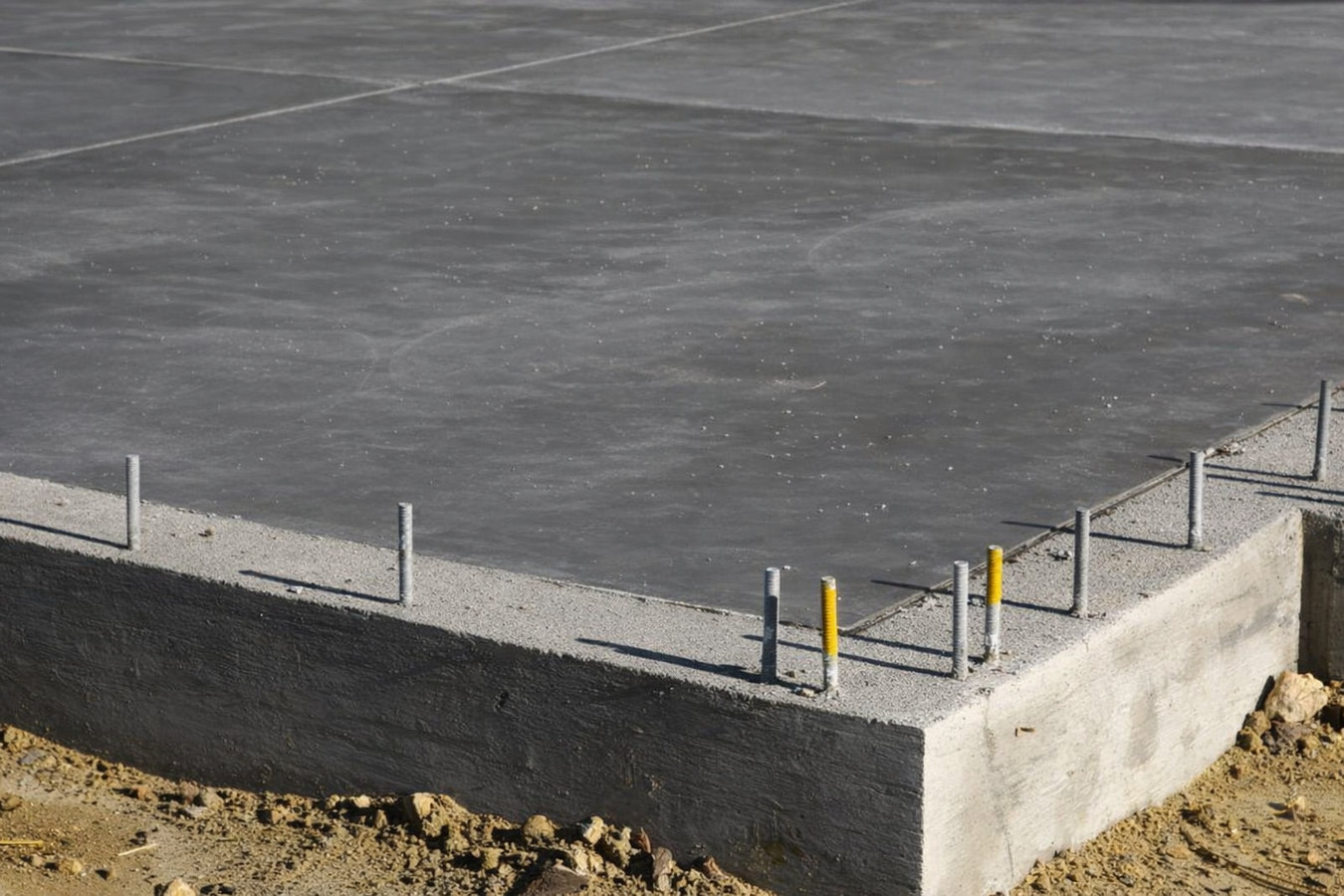
Abilene's shrink-swell clay soil shifts with every rain and dry spell. We build slab foundations that are prepared for that movement from the ground up - so your structure stays level for decades, not just the first few years.
Slab foundation building in Abilene means grading the site, moisture-conditioning the clay soil, placing steel reinforcement, and pouring a concrete base that serves as both your floor and your structure's footing - most residential jobs take two to three weeks from permit approval through the final pour, with a curing period before framing can begin.
The majority of homes in Abilene sit on slab foundations, and with good reason: the local climate and flat terrain suit this approach well. But the soil that lies under them is one of the most active in Texas - Taylor County's shrink-swell clay expands when it rains and contracts during every dry spell, and a slab poured on improperly prepared ground will begin to crack and shift within a few years of construction.
Whether you are building a new home addition, a detached garage, or replacing a failed slab on a property built in the 1960s, the process is the same: soil preparation comes first, and everything else follows. If your project also involves structural footings below the slab, see our concrete footings service. For new homes or larger structures where the full foundation system needs to be designed and installed, our foundation installation service covers that scope as well.
If interior doors that used to swing freely now drag on the floor or refuse to latch, the frame of your home may be shifting. In Abilene, this kind of movement is often tied to the clay soil expanding and contracting under the slab with seasonal moisture changes. It is a signal worth having a professional look at before it gets worse.
Cracks that run diagonally from the corners of door frames, or long cracks traveling across a concrete floor, can indicate the slab underneath is moving unevenly. Cracks that are growing, that you can feel a ridge across, or that are wider than a pencil tip deserve attention. In older Abilene homes built on less-prepared soil, these cracks can develop gradually over years.
Walk around the outside of your home after a dry stretch and look at the ground where it meets the foundation. A gap - sometimes an inch or more - is the clay soil shrinking away as it dries out, which is very common in Abilene's drought cycles. This gap allows water to rush directly against the foundation edge during the next rain, accelerating damage over time.
If you are adding a room, garage, workshop, or accessory dwelling unit to your Abilene property, a new slab foundation is almost certainly required before any framing can begin. Getting the foundation right from the beginning is the single most important investment you will make in the new structure.
We handle new slab pours for all types of residential structures in the Abilene area - from single-family homes and room additions to detached garages, workshops, and accessory dwelling units. Every slab starts with the same commitment: the soil gets prepared correctly before a single form is set. That means grading, compaction, moisture conditioning, and a gravel base that gives water somewhere to drain rather than pooling under your concrete.
Steel reinforcement - rebar or welded wire mesh - is placed inside every form we build. You will not see it once the slab is poured, but it is what holds the concrete together as a unit if the ground shifts underneath. We size the edge beams and steel layout to the specific use of the structure, not to a one-size minimum. For homeowners who need deeper structural support below the slab, our concrete footings service provides isolated or continuous footing systems. For complete new-construction foundation scopes, see our foundation installation service.
We pull the required City of Abilene building permit on every project, coordinate the pre-pour city inspection, and give you a copy of the permit close-out documentation at completion. That record matters if you ever sell the property or need to make an insurance claim related to the foundation.
Standard four-inch slab with reinforced perimeter grade beam for single-family homes - the most common new-construction foundation in Abilene.
Thicker pour with heavier steel layout suited to detached garages, workshops, or accessory structures where vehicle or equipment loads are higher.
Smaller slabs for room additions, accessory dwelling units, or covered patios that require a permitted foundation before framing begins.
Full removal of a failed or shifted existing slab, soil remediation, and a new pour - the right path when repair is no longer a practical option.
Taylor County sits on a belt of Vertisol clay soils that are among the most expansive in Texas. These soils absorb water and swell during wet periods, then dry out and contract dramatically when the rains stop. For a slab foundation, this cycle is the primary threat - it is why so many Abilene homes built in the 1950s through 1970s now show cracked walls, sticking doors, and visible foundation gaps. The homes were built before contractors fully understood how much the local soil moves and what it takes to prepare for it.
Summer heat compounds the problem during construction. Abilene regularly sees temperatures above 100 degrees from June through August, and fresh concrete that loses moisture too quickly - from heat, wind, or both - develops surface cracks and ends up weaker than it should be. The Portland Cement Association identifies hot-weather concrete placement as one of the most common sources of avoidable slab defects. We plan every summer pour around the weather forecast and take active steps to protect the curing concrete.
We regularly build slab foundations for homeowners throughout the area - including properties in Abilene, Brownwood, and Stephenville. Each of these areas shares the same basic soil challenges, and each has its own local permit requirements that we handle on your behalf.
Reach out by phone or form and we respond within 1 business day to schedule a free on-site visit. We assess your soil, drainage, and project scope before giving you a written quote - no phone estimates for foundation work.
We apply to the City of Abilene Development Services on your behalf before any work begins. Permit approval typically takes a few business days to a couple of weeks, and you should receive a copy - we provide it.
We grade the area, compact the soil - including moisture-conditioning the clay - and lay a gravel base. Steel reinforcement is placed and the city inspector visits before the pour to verify everything is correct.
We pour the slab in a single continuous pour, finish the surface, and protect it during curing - especially critical on hot Abilene summer days. The city conducts a final inspection and we close out the permit for your records.
Free on-site estimate. Permits handled. Written quote before any work begins.
(325) 283-1159We have poured slabs on Taylor County's shrink-swell clay consistently since 2022 and understand exactly what soil prep is required before the first truck of concrete arrives. That local knowledge is not transferable from other Texas markets.
We handle the City of Abilene permit process from application to final close-out as a standard part of every job. You receive documentation that the foundation passed city inspection - which protects you at resale and with your insurer.
Abilene summers regularly push past 100 degrees, and fresh concrete that dries too fast develops surface cracks and ends up weaker than designed. We schedule early-morning pours and use curing compounds or wet burlap to protect the slab through the critical first week.
Every project starts with a written, itemized estimate that covers labor, materials, site prep, and permits. We do not start work without your written approval, and the price you agree to is the price on the final invoice.
Every credential on this page means something specific to you as an Abilene homeowner. The permit documentation protects your investment at resale. The hot-weather curing plan means your slab reaches the strength it was designed for. The written estimate means the price you agreed to is the price you pay. If you want to verify our standing with the state, the Texas Department of Licensing and Regulation lets you look up any contractor by name before you hire.
Full foundation systems for new residential construction, including excavation, forming, steel placement, and city-permitted pours.
Learn moreIsolated and continuous concrete footings that anchor walls, posts, and additions to stable soil below the frost line.
Learn moreSpring and fall book quickly - call now to reserve your project date before the summer heat arrives.