Loading...
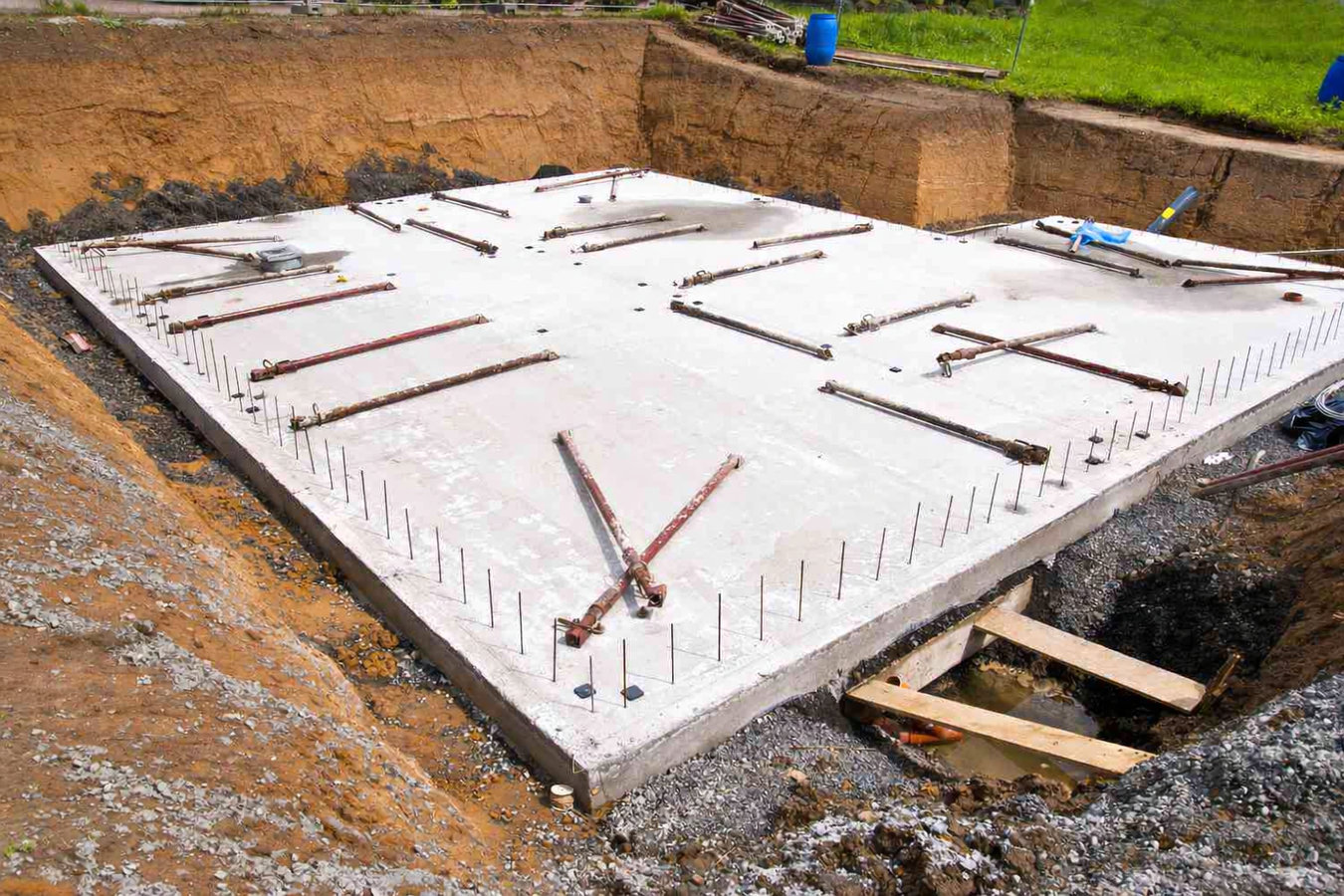
Abilene's shrink-swell clay soil demands footings sized for local conditions, not a one-size-fits-all spec. We dig, form, and pour footings for decks, additions, patios, and outbuildings - with permits handled from start to finish.
Concrete footings in Abilene means digging to the required depth for your soil type, setting forms or tubes, placing rebar for reinforcement, and pouring concrete that cures underground to carry the load above - most residential footing jobs take one to two days of active work, with a three-to-seven-day cure before the next phase of construction begins.
What most homeowners do not see - and what determines whether a structure holds for decades or starts pulling away from the house in a few years - is how much the soil was considered before the first shovel went in. Abilene's clay soil is classified as expansive, meaning it moves with every cycle of rain and drought. A footing that was sized and placed correctly for that movement is invisible and permanent. One that was not will let you know eventually, through cracked walls, sticking doors, or a gap opening up between your new deck and the main house.
If your project is a full foundation rather than individual footings, see our slab foundation building service for new construction. For above-grade structural concrete work, our foundation raising service covers repair and leveling of existing foundations that have shifted.
Diagonal cracks running from the corners of doorways or windows are a common sign that something below the surface has shifted. In Abilene, the shrink-swell clay soil moves seasonally, and footings that were not built to handle that movement cause the structure above to show it. These cracks do not always mean disaster, but they do mean it is time to have someone look at what is happening underground.
When a footing shifts, the frame above shifts too - even slightly. If a door that used to swing freely now drags on the floor, or a window that opened easily now sticks, the house may be moving in a way it should not. This is especially worth paying attention to after a long dry spell followed by heavy rain, which is a pattern Abilene homeowners know well.
If you have an existing porch, deck, or addition and can see a gap opening up between it and the main house - or the structure looks like it is tilting away - the footings below may have failed or settled unevenly. In Abilene's clay soil, this kind of movement is common in structures built without accounting for soil expansion and contraction. Left alone, the gap will grow and the repair gets more expensive.
If you are building a deck, covered patio, room addition, or carport, you will need footings before any of that work begins. A contractor will assess the load and soil conditions before recommending the right footing size and depth. Skipping this step or using undersized footings is the most common reason new structures pull away from the house or lean over time.
We install footings for attached and freestanding decks, room additions, covered patios, carports, workshops, and any other structure that needs a solid underground base. Every project starts with a site visit - not a phone quote - because the soil condition, the load the structure will carry, and the access for equipment all affect what the job actually involves. Abilene's clay soil is not uniform across the city, and a footing that works in one neighborhood may need to be wider or deeper two miles away.
We place rebar reinforcement inside footings on any load-bearing project. Steel inside the concrete keeps the footing together if the surrounding soil shifts, holding small cracks from becoming structural failures. According to the American Concrete Institute, properly reinforced footings in expansive soil environments significantly outperform unreinforced footings over time. We also reference the Texas A&M AgriLife Extension guidance on West Texas soil classifications when sizing footings for local conditions.
If you are adding a larger concrete structure rather than individual footings, our slab foundation building service handles full residential and light commercial foundation work. For existing structures that have already shifted, our foundation raising service covers assessment and correction.
Sized and placed for attached or freestanding decks and covered porches - accounts for live load, Abilene soil conditions, and attachment to the existing structure.
Continuous or spread footings for room additions and garage conversions, designed to handle the structural load of new framing and roofing above.
Column footings for detached carports, workshops, and accessory structures on properties where the ground has never been properly prepared.
Assessment and replacement of failed or undersized footings on existing structures that have shifted, cracked, or separated from the main house.
Abilene sits on a belt of clay-heavy soil that is classified as expansive - it swells when wet and contracts when dry. That cycle repeats every year, sometimes multiple times in a single season, and the pressure it puts on underground concrete is significant. Many homes in older neighborhoods like Elmwood and North Park were built in the 1950s through 1970s on footings that were not designed with this movement in mind, and the results show up decades later as cracked walls, sticking doors, and structures that have visibly pulled away from the main house.
Abilene also goes through extended droughts that cause the clay soil to shrink and pull away from existing footings, followed by intense rain events that cause rapid re-expansion. If you are adding a new structure during or right after a drought period, a contractor who assesses current soil conditions before sizing the footings is worth more than one who uses the same dimensions on every job. Homeowners in Abilene, Brownwood, and Stephenville all face similar conditions across this region of Central and West Texas.
Summer heat adds a separate challenge. Abilene regularly sees temperatures above 100 degrees from June through August, and hot weather causes fresh concrete to dry too fast on the surface before it has fully hardened inside - creating weak spots and surface cracking. Experienced local contractors schedule footing pours for early morning during summer and use techniques to keep the concrete moist during the critical early cure period. Spring and fall are generally the best seasons for footing work in this area, though jobs can be handled year-round with the right planning.
Reach out by phone or form. We respond within 1 business day to ask a few basic questions - what you are building, roughly how large it is, and where on the property it will go. This helps us know whether we can give a rough range over the phone or need to visit first.
We visit your property to look at the soil, measure the area, and assess access for equipment. You receive a written estimate that breaks down labor, materials, and depth - so you can compare it clearly with any other bids.
For most structural footing projects in Abilene, we pull a building permit from the City of Abilene Development Services on your behalf. This takes a few business days and ensures a city inspector will verify the work at key stages before it is covered up.
We dig to the required depth, set forms, place rebar if needed, and pour the concrete. In summer, pours are scheduled for early morning. The concrete needs three to seven days before the next phase of construction can begin - we give you that timeline in writing.
We respond within 1 business day. Written estimate before any work begins - no pressure, no vague phone quotes.
(325) 283-1159Our crews are local and work across the West Texas region. We know Abilene's clay soil, the seasonal drought and rain cycles, and the City permit process - not from reading about them, but from doing footing work here year-round.
We file with the City of Abilene Development Services before any digging begins on structural footing work. That means your project is reviewed and inspected by the city - not just signed off by us. You get the paperwork when the job is done.
Abilene sits on expansive clay that requires wider, deeper, or more carefully placed footings than stable-soil areas. We assess the ground on every job before we decide on dimensions - we do not apply a standard spec that ignores what is actually in the ground.
We respond to every inquiry within 1 business day and put the full scope in writing before any work begins - depth, dimensions, rebar, and the permit timeline all clearly stated. No verbal agreements and no surprise charges at the end of the job.
Footings are the part of a project that nobody sees - but they are exactly what determines whether a structure stays put for thirty years or starts showing problems in three. Every footing project we complete is permitted through the City of Abilene, and we carry full liability insurance and Texas state licensing on every job. The Texas Department of Licensing and Regulation sets the minimum standards for structural concrete work in the state, and meeting those standards starts with the steps that happen before the pour - soil assessment, proper sizing, and reinforcement placement.
Leveling and stabilizing existing foundations that have shifted, settled, or cracked due to soil movement.
Learn moreFull residential and light commercial concrete slab foundations for new construction in Abilene and surrounding areas.
Learn moreSpring and fall slots fill quickly. Call or submit a form now and we will schedule your site visit within 1 business day.