Loading...
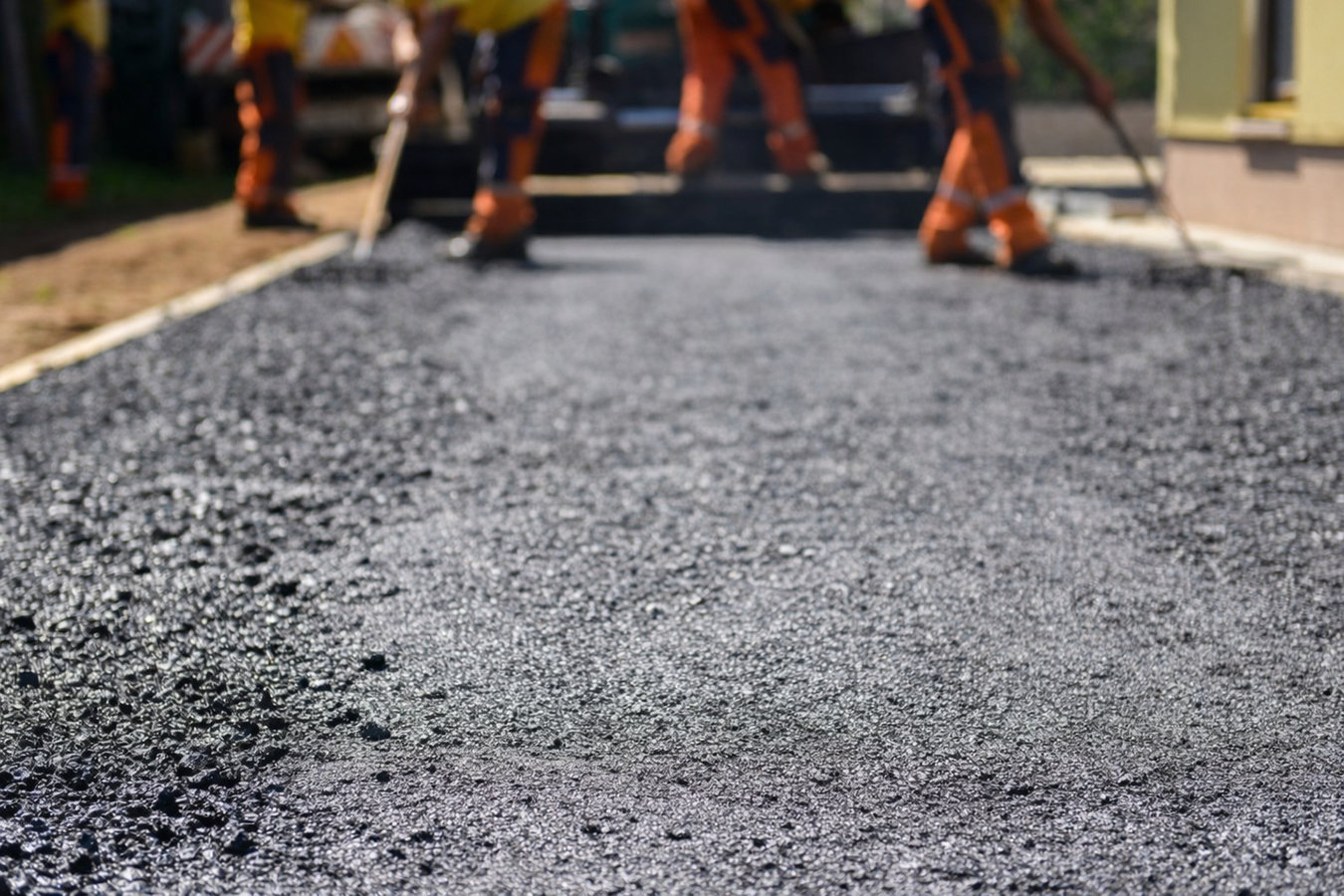
Gravel turns to mud, asphalt softens in the heat, and bare ground creates runoff problems. We build concrete parking lots in Abilene built on proper bases, drained right, and finished to hold up for decades.
Concrete parking lot building in Abilene means removing the existing surface, grading the ground for drainage, laying and compacting a crushed-stone base, and pouring a reinforced slab with control joints - most residential or small commercial jobs take two to five days on-site, with a seven-day cure before vehicles return.
Most property owners focus on the pour itself, but the work that happens before the truck arrives determines how long the lot lasts. Abilene's clay-heavy soil shrinks and swells with every wet and dry cycle, and a slab sitting on poorly prepared ground will crack and shift within a few years - no matter how good the concrete mix was. Proper site grading, subgrade compaction, and a full aggregate base are the steps that separate a parking lot that lasts 30 years from one you are replacing in five.
If your project includes individual driveway access rather than a lot, our concrete driveway building service covers residential entrances with the same ground-up approach. For structural pads, columns, or below-grade support, our concrete footings service handles load-bearing foundations for any structure type.
Cracks wider than a quarter-inch, or chunks of the surface lifting and crumbling, mean the pavement has reached the end of its useful life. Patching widespread damage is a short-term fix that rarely lasts more than a season or two. At that point, a full concrete replacement is usually the more cost-effective long-term choice.
Abilene gets intense rain events that can drop a lot of water in a short time, and a surface that holds standing water is a problem. Pooling water works its way into cracks, softens the base underneath, and creates a slip hazard. If water sits on your parking area for more than an hour after a storm, the drainage was either never designed correctly or the surface has settled unevenly.
Abilene's clay soil shifts with moisture, and over time that movement causes sections of a parking lot to sink or heave. Uneven surfaces are a tripping hazard and can damage vehicle tires and suspension. If you feel a noticeable bump or dip when you drive across the lot, the base underneath has likely shifted.
Many older Abilene properties still have unpaved or gravel parking areas that turn to mud after rain and kick up dust during dry spells. If you are dealing with muddy vehicles, dust tracking, or runoff carrying gravel into the street, a concrete surface solves all of those problems at once while adding real value to the property.
We handle residential parking areas, small commercial lots, and heavy-duty surfaces that need to hold up under trucks or equipment. Every project starts with a site assessment before we quote anything, because the condition of the existing surface and the soil underneath drives the scope of work. A lot that looks like a simple pour often needs significant base work first, especially in Abilene where the soil has been through years of shrink-swell cycles.
Concrete is the right material for this climate. Unlike asphalt, it does not soften or rut under Abilene's summer heat, and it does not require the same cycle of resealing and overlay work that asphalt demands. We cut control joints into every slab so any cracking happens where we planned for it, not randomly across the surface. According to the American Concrete Pavement Association, a properly built concrete lot typically lasts 30 to 50 years compared to 15 to 20 for asphalt.
Drainage design is built into every project. The surface is graded at a slight slope - typically one to two percent - so rain moves off the lot quickly rather than pooling. After the pour, we walk you through the cure period and sealing schedule. If you are comparing concrete to other options, our concrete driveway building page covers residential-scale paving, and concrete footings covers below-grade structural support for any adjacent structures.
Ideal for homeowners with gravel or dirt lots who want a permanent, clean surface that handles Abilene weather year-round.
Suited for businesses, offices, and multi-unit properties that need a durable, ADA-compliant paved surface.
For properties that regularly handle delivery trucks, RVs, or heavy equipment - built with a thicker pour and additional reinforcement.
Full demolition of failed asphalt or concrete, proper base work, and a new pour for properties where the existing surface is beyond repair.
Abilene's clay-heavy soil is the biggest variable on any parking lot job here. The soil expands when it rains and contracts during the extended dry spells that West Texas is known for. That constant movement is the main reason parking lots crack and shift prematurely in this area, and it is why the base preparation step matters more here than in cities built on more stable ground. Contractors who do not account for local soil conditions produce lots that look fine at the end of the first season and start failing by the second or third year.
Summer heat adds another layer of complexity. When temperatures exceed 95 to 100 degrees, which Abilene regularly sees from June through August, fresh concrete can dry too fast at the surface before it has fully hardened underneath. Experienced local contractors schedule pours for early morning and use curing compounds to manage this. Homeowners and property owners in Abilene, Midland, and Odessa all face similar soil and climate conditions, and the approach is the same across all three: proper base, proper drainage, and proper timing of the pour.
The City of Abilene requires permits for most paving projects that affect drainage or involve commercial properties. This is not a bureaucratic hurdle - it is a layer of protection for you as the property owner. When the work is permitted and inspected, you have documentation that the job met city standards. That paperwork matters if you ever sell the property or need to make an insurance claim. The City of Abilene Development Services office handles permits for paving and site improvement projects.
Reach out by phone or form. We respond within 1 business day to schedule a free site visit. We will ask about the lot size, intended use, and whether an existing surface needs to be removed.
We visit your property to assess soil conditions, drainage, and the existing surface. You receive a written quote covering size, base preparation, reinforcement, and drainage design before any work begins.
We handle the City of Abilene permit on your behalf and give you a confirmed start date once it is in hand. This adds a few days but ensures the work is inspected and on official record.
We remove the existing surface, grade and compact the ground, and install the base layer. On pour day - scheduled for early morning in summer - we place and finish the concrete with control joints and a broom texture for traction.
We respond within 1 business day. No obligation, no sales pitch - just a written estimate based on your actual site.
(325) 283-1159We work across the West Texas region, including Abilene and the surrounding cities within our service area. Every crew member is local, which means we know the clay soil, the heat, and the City permit process from hands-on experience.
We pull required City of Abilene permits before a single machine touches the ground. That step protects you as the property owner and ensures the work is inspected by someone independent of our crew.
Abilene's expansive clay is the number one reason parking lots fail prematurely in this part of Texas. We grade, compact, and lay a proper crushed-stone base before every pour so the slab has a stable foundation to sit on.
We respond to every inquiry within 1 business day and put the full scope in writing before work begins - base preparation, reinforcement, drainage plan, and final finish all spelled out. No verbal agreements, no change-order surprises.
Every parking lot project we take on is permitted, inspected, and built with the base preparation that Abilene's soil actually requires. That is not a sales claim - it is the process that determines whether your lot is still performing well in fifteen years or needs to be redone in five. The Texas Department of Licensing and Regulation requires contractors performing this work to meet state licensing standards, and we carry both TDLR licensing and full liability insurance on every project.
Below-grade structural footings for decks, additions, columns, and any load-bearing structure on your property.
Learn moreResidential driveway slabs poured with the same clay-soil base prep and drainage grading used on commercial lots.
Learn moreSummer books up fast. Call or submit a form today and we will schedule your site visit within 1 business day.