Loading...
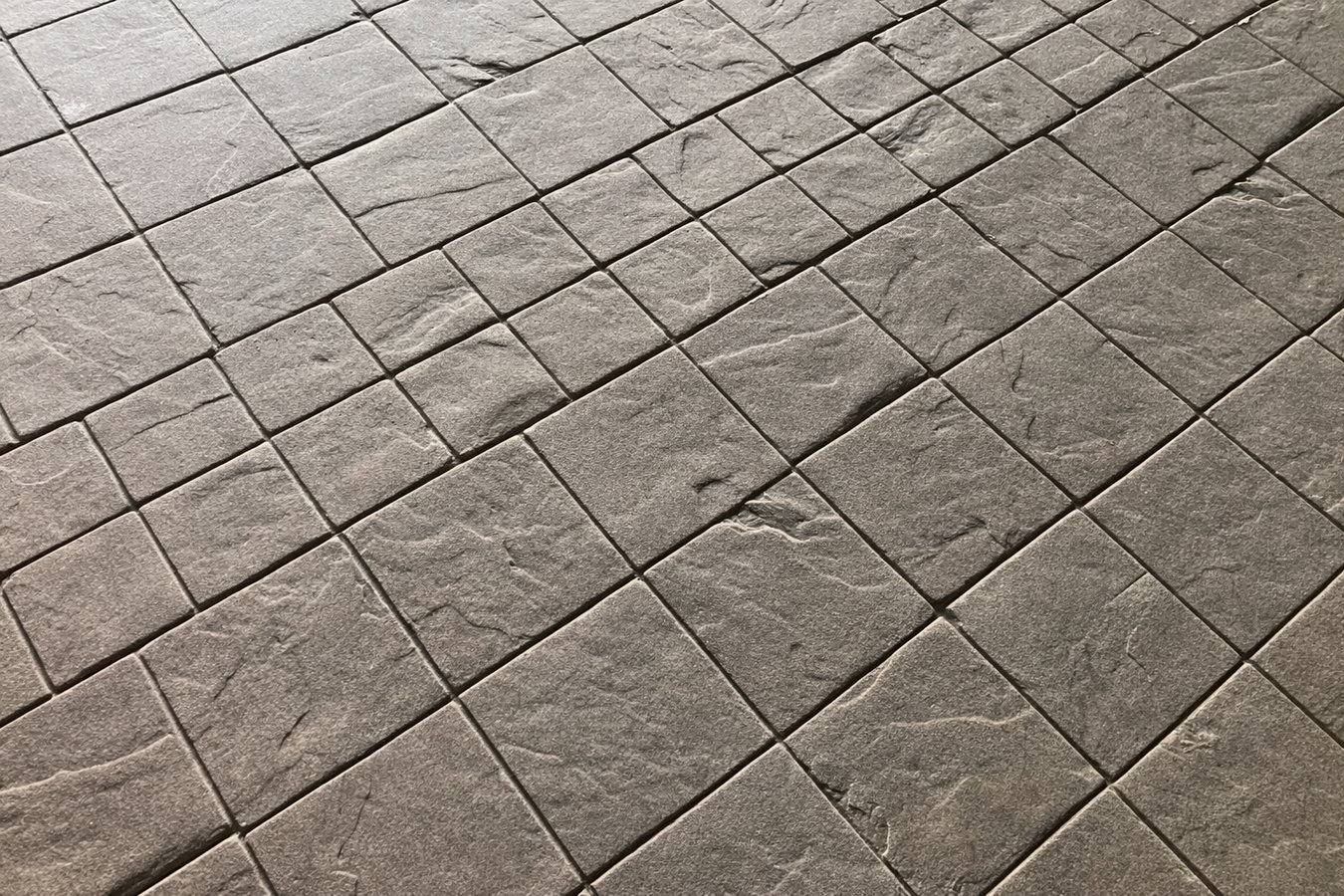
You want an outdoor surface that looks great and holds up. Stamped concrete gives you the look of natural stone or brick without the weed gaps, shifting pavers, or price tag - built right for Abilene's clay soil and intense sun.
Stamped concrete services in Abilene transform a plain poured slab into a textured, colored surface that looks like stone, brick, or wood - most residential projects take one to two days to pour and stamp, with the surface ready for light foot traffic within 48 hours.
The process starts with a properly prepared base - critical in Abilene because the local clay soil expands and contracts with every rain and dry season. Color gets worked into the concrete before and during the pour, then large rubber stamping mats press the texture pattern into the surface while it is still soft. A UV-resistant sealer applied after curing locks in the color and protects the surface from Abilene's intense sun.
Stamped concrete works anywhere you would pour a plain slab. Many Abilene homeowners use it for patios and entries, but it is equally suited for driveways and pool surrounds. If you are weighing a stamped finish against a more elaborate decorative treatment, our decorative concrete service covers additional techniques like exposed aggregate and acid staining. For pool surrounds specifically, see our concrete sidewalk building page for connecting pathway options.
If you can see cracks where one side has risen or dropped compared to the other, the slab has moved significantly. In Abilene, this is almost always caused by the clay soil expanding and contracting beneath it. Hairline cracks are mostly cosmetic, but cracks you can catch your toe on usually mean the slab has reached the end of its useful life.
If your patio or front entry looks so faded, stained, or plain that you have stopped using it, that is a real quality-of-life signal. Stamped concrete can transform a dull gray slab into an outdoor space that actually gets used - and in Abilene's climate, where you can be outside nine or ten months of the year, that is a meaningful upgrade.
Chunks of the surface layer coming off your driveway or patio - especially after a hard freeze - indicate the concrete was either not sealed properly or has reached the point where sealing alone will not fix it. Abilene's freeze-thaw cycles accelerate surface flaking on concrete that was not installed with proper base prep.
If you are already planning a patio cover, outdoor kitchen, or fire pit area, the ground will be disrupted anyway. That is the right time to consider stamped concrete for the floor - you will get a much more finished result for a relatively small additional cost over a plain slab.
We handle the full scope of concrete stamping work for Abilene homeowners - from small front-entry walkways to a full backyard stamped concrete patio and driveways. Every project starts with the same ground-up approach: remove the old surface if there is one, compact the base properly, and pour the concrete with the right mix for local conditions. Pattern and color decisions happen before the pour, not as an afterthought, so the finished surface reflects exactly what you chose.
Color is applied two ways on most projects - pigment worked into the concrete itself for a consistent base tone, and a release agent or color hardener on the surface for the natural variation that makes stamped concrete look like real stone. Control joints are cut into every slab to give the concrete a planned place to flex with Abilene's temperature swings. A UV-resistant sealer goes on after curing - not optional here, given the intensity of West Texas sun. Our decorative concrete service expands on these finishes for homeowners who want additional surface treatment options.
Pool deck applications require additional consideration for slip resistance and surface temperature in full sun. We choose patterns and finishes specifically for outdoor safety in those settings. For homeowners combining a stamped patio with a connecting walkway, our concrete sidewalk building service handles that scope as part of the same project.
The most popular application in Abilene - transforms a plain backyard slab into a finished outdoor living area with the look of stone, brick, or slate.
Adds curb appeal to a functional surface. Works best when the base is prepared to handle Abilene's clay soil movement.
Non-slip textures and heat-reflective color choices make stamped concrete a practical option for pool surrounds in West Texas heat.
Front entries and connecting walkways with a decorative finish give the whole property a cohesive, polished look.
Abilene's clay soil is the single biggest factor that separates a long-lasting stamped concrete surface from one that cracks and shifts within a few years. The soil swells when it rains and contracts during the long dry stretches that West Texas is known for. That constant movement puts stress on any concrete slab from underneath, and a stamped surface that was not poured over a properly compacted, stable base will show it. This is especially true in established Abilene neighborhoods on the north and south sides of town, where the soil has been through decades of wet-dry cycles with very little disturbance.
The other major local factor is UV exposure. Abilene averages over 240 sunny days per year, and summer temperatures regularly top 100 degrees. That combination accelerates color fading in stamped concrete faster than in most parts of the state. Standard sealers fade noticeably within a season or two here - UV-resistant formulas make a real difference in how your surface looks five years after installation. We see this difference in completed projects across Abilene and in the surrounding area, including San Angelo and Midland, where similar conditions apply.
Permit requirements through the City of Abilene Development Services apply to driveway work that connects to a public street and to some larger patio projects. Homeowners in newer west-side subdivisions near Wylie ISD should also check HOA guidelines before signing any contract - many associations require pre-approval for exterior concrete work. We handle both the permit process and the HOA question upfront so your project starts on schedule. For guidance on proper concrete installation standards, the Portland Cement Association publishes detailed resources on stamped concrete best practices.
Reach out by phone or form. We respond within 1 business day to schedule a free on-site estimate. We will ask about the area size, current surface, and what kind of look you have in mind.
We visit your property to measure the space, check soil conditions, and show you pattern and color options. You get a written quote that covers preparation, materials, stamping, and sealing - no guesswork.
We handle the City of Abilene permit process on your behalf for any project that requires one. We confirm your start date once permitting is resolved - usually within a few days.
The crew prepares the base, pours and spreads the concrete, applies color, and stamps the pattern while the surface is still workable. After curing, we apply a UV-resistant sealer and walk you through care instructions before we leave.
Free on-site estimate. Written quote before any work starts. We respond within 1 business day.
(325) 283-1159Every project is staffed by people who live and work in West Texas. We know how Abilene's clay soil, triple-digit summers, and occasional hard freezes affect concrete - and we design each job around those conditions from the ground up.
We use sealers specifically rated for high UV exposure. Abilene averages over 240 sunny days a year, and standard sealers fade noticeably faster here. We also give you a clear resealing schedule so your surface stays protected.
We check permit requirements with the City of Abilene Development Services on your behalf and ask about HOA restrictions upfront. No last-minute delays because someone forgot to pull a permit or check the association rules.
Every job starts with a written, itemized estimate that includes base preparation, color, stamping, and sealing. No verbal agreements, no surprise charges when the crew is already on your property.
Every one of those points matters more in Abilene than in a cooler, less reactive climate. The right sealer, the right base prep, and the right permit process are not selling points - they are the baseline for a job that holds up the way it should. The American Society of Concrete Contractors sets the professional standards we follow for all flatwork installations.
Exposed aggregate, acid staining, and surface overlays for homeowners who want finish options beyond standard stamping.
Learn moreConnecting walkways and front-path sidewalks built to the same base-prep and control-joint standards as our stamped slabs.
Learn moreSpring booking slots fill fast. Call now or submit a request and we will get back to you within 1 business day.