Loading...
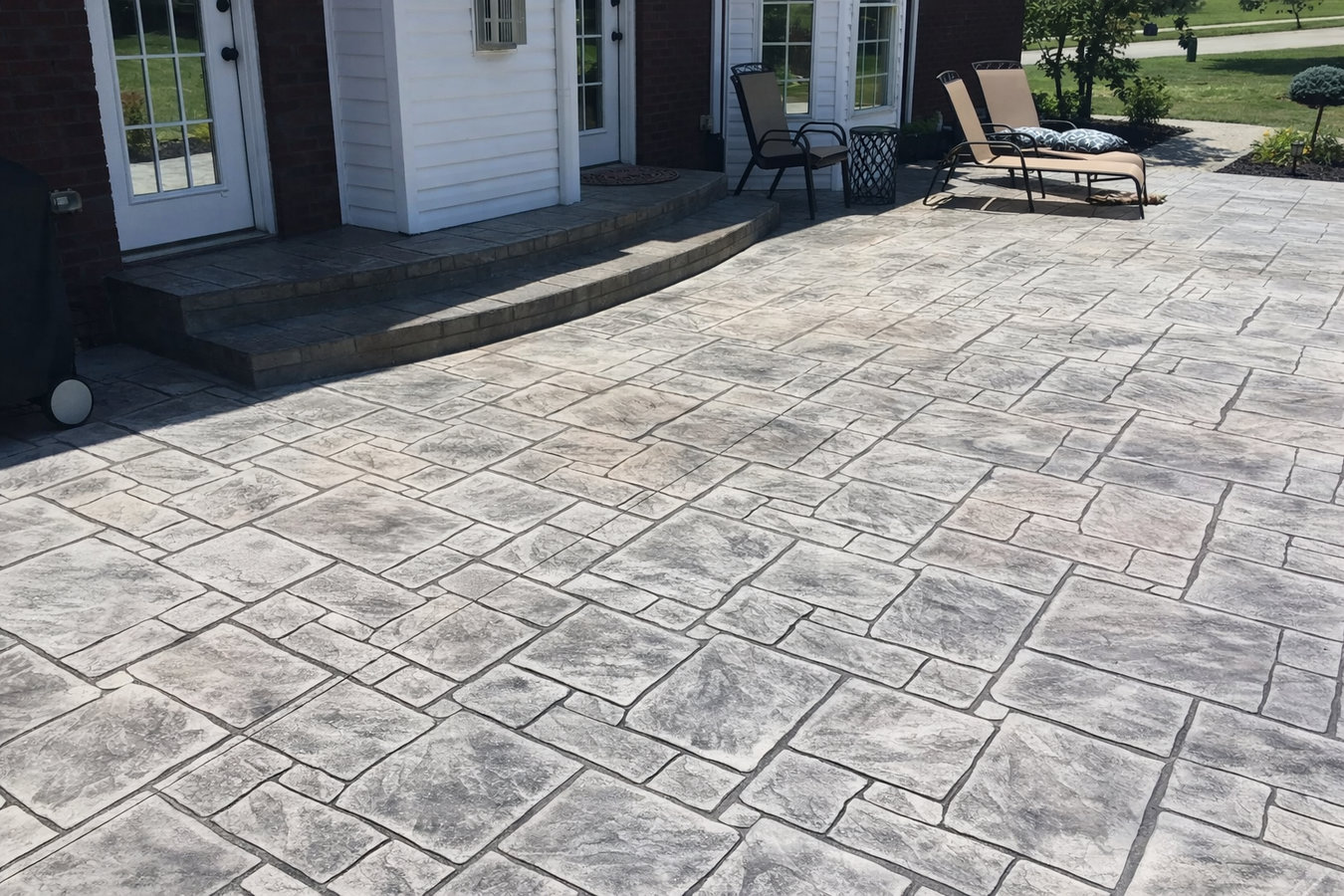
Plain gray concrete does not have to be the only option. We install stamped, stained, and polished decorative concrete built to hold up in West Texas soil and sun, without the maintenance of pavers or tile.
Decorative concrete in Abilene is regular concrete that has been colored, textured, stamped, or polished to resemble stone, brick, wood, or tile - most residential projects take one to three days of active work, and the finished surface carries the durability of concrete at a fraction of the cost of the material it mimics.
It works on driveways, patios, walkways, pool surrounds, and interior floors. Homeowners in Abilene choose decorative concrete when they want a surface that looks intentional and well-designed - not just the default plain gray - without the ongoing maintenance of pavers that shift in clay soil or tile that cracks under West Texas temperature swings.
The category includes several distinct techniques. If you are interested in a specific pattern pressed into the surface while the concrete is still wet, that falls under our stamped concrete services. For structural decorative features like garden walls or tiered yards, see our concrete retaining walls service.
Hairline cracks are common and often cosmetic, but cracks wider than a quarter inch - or ones that are growing - usually mean the slab is shifting. In Abilene, this is often caused by the clay soil moving with the seasons. If you are already planning repairs, consider a decorative finish at the same time rather than patching concrete that will still look worn.
Oil stains, rust marks, and years of sun exposure make plain concrete look neglected even when it is structurally sound. Abilene's intense summer sun accelerates fading, and a surface that looked fine five years ago may now look dull and discolored. Decorative staining or resurfacing can transform the same slab into something that looks intentional and well-maintained.
If you have added a pergola, outdoor kitchen, or landscaping and the plain gray concrete underneath looks out of place, decorative concrete is the fix. Homeowners in Abilene spend real time outdoors during the mild spring and fall shoulder seasons, and the patio or driveway is often the first thing guests notice when they arrive.
If water pools in low spots after rain, or if the surface rocks slightly underfoot, the slab has shifted due to soil movement beneath it. This is a common issue in Abilene's clay-heavy soil, especially in homes built before the 1990s. Uneven concrete is a tripping hazard that typically gets worse over time - addressing it now with a new decorative pour is smarter than waiting.
We install all major types of decorative concrete for Abilene homeowners - stamped concrete, stained concrete, exposed aggregate, and polished finishes. Stamped concrete is the most popular choice for driveways and patios: a pattern is pressed into the wet surface before it hardens, creating the look of stone or brick without the cost or maintenance. Stained concrete works on both new pours and existing slabs that are still structurally sound, making it a cost-effective way to refresh a plain surface without full replacement.
Exposed aggregate - where the top layer of the concrete paste is washed away to reveal the small stones inside - gives a natural, textured look that is slip-resistant and well-suited to outdoor walkways and stamped concrete services around pools. Polished concrete is ground smooth to a shiny surface, which is most common for interior garage floors, covered patios, and commercial spaces. For homeowners who want garden structure alongside decorative paving, our concrete retaining walls can be matched in color or texture to the decorative surface for a cohesive look across the yard.
Color and pattern choices are permanent once the concrete is poured, so we spend real time on this decision during the estimate. We bring physical samples and photos of completed Abilene projects to every estimate visit so you can see what the finish actually looks like before you commit. The American Concrete Institute publishes guidelines on decorative concrete installation that inform how we approach finishing and curing on every project.
Pattern pressed into wet concrete to resemble stone, brick, or tile. The most popular decorative option for Abilene driveways and patios.
Color applied to existing or new concrete through chemical or acrylic staining. A cost-effective way to refresh a sound existing surface.
Small stones revealed on the finished surface for texture and visual interest. A durable, non-slip choice for outdoor walkways and pool surrounds.
Ground smooth to a shiny finish. Popular for interior garage floors and covered patios where a clean, modern look is the goal.
Abilene's shrink-swell clay soil is the biggest threat to any decorative concrete surface. The soil expands when it rains and contracts during dry spells - and West Texas goes through long, serious dry periods that pull moisture from the ground. A decorative slab that was not built on a properly compacted, stabilized base will crack through the pattern or shift out of level, turning an expensive upgrade into a visible problem. Contractors who do not work regularly in this area often underestimate how much soil prep matters here.
Many of Abilene's established neighborhoods - areas like Wylie, Elmwood, and the streets near Hendrick Medical Center - have original driveways and patios from the 1950s through 1980s. These older slabs were poured before current base preparation standards existed, and many are now cracked, uneven, or undersized for modern use. If your home is in one of these neighborhoods and you are planning a decorative project, an honest assessment of what is already there is the first step - not a sales pitch for the most expensive finish.
We serve homeowners across the region, including customers in Abilene, Midland, and Odessa. The clay soil conditions and UV intensity are consistent across West Texas, and every decorative concrete project we take on is prepared with those local realities as the starting point.
Reach out by phone or form and we respond within 1 business day. We visit your property to assess the existing surface, measure the area, and talk through your color and finish options before any numbers are committed.
You choose your color, pattern, and finish with the help of physical samples and photos of local completed projects. You receive a written quote covering every line item - old concrete removal if needed, base prep, pour, decorative treatment, and sealer.
Before concrete is poured, the crew removes old material if needed, grades the soil so water drains away from your home, and compacts the base. In Abilene, this step often includes extra work to stabilize the clay soil underneath - the step that determines whether the finished surface lasts.
Concrete is poured, leveled, and finished with the chosen decorative treatment in one day. After curing, the contractor applies a protective sealer and walks you through care instructions - including when to reseal and what to watch for in Abilene's climate.
Free on-site estimate. Written quote before any work begins. No pressure, no obligation.
(325) 283-1159Decorative concrete in Abilene lives or dies on what happens before the pour. We know the clay soil in Taylor County and account for it in every base prep decision - so your surface holds up through rain, drought, and triple-digit summers.
Color choices and pattern decisions are finalized before the pour, not after. We show you physical samples and photos of actual Abilene projects so the finished surface matches what you said yes to. There are no vague promises made over the phone.
Every decorative concrete surface we complete is sealed before we leave. In Abilene's UV-intense climate, skipping the sealer is one of the most common reasons decorative work fades or flakes within a few years. Sealing is included, not an upsell.
You receive a written, itemized estimate covering every part of the project before any work begins. No verbal agreements, no line items that appear as surprises on the final invoice. If the scope changes at any point, we tell you before we proceed.
Decorative concrete is a bigger commitment than plain concrete - the finish is permanent and the cost is higher, which means the contractor you choose matters more. We have been working in Abilene since 2022, we show you real local work before you decide, and we put every scope detail in writing before the project starts. For additional confidence on any contractor you are evaluating, the Concrete Network offers independent guidance on vetting contractors and understanding decorative finish options.
Structural walls that hold back soil on sloped lots - can be color-matched to your decorative concrete for a unified outdoor look.
Learn morePatterns pressed into wet concrete to create the look of stone or brick - the most popular decorative option for Abilene driveways and patios.
Learn moreSpring and fall book out fast in Abilene. Contact us now to get a written estimate and lock in your preferred start date before the schedule fills.