Loading...
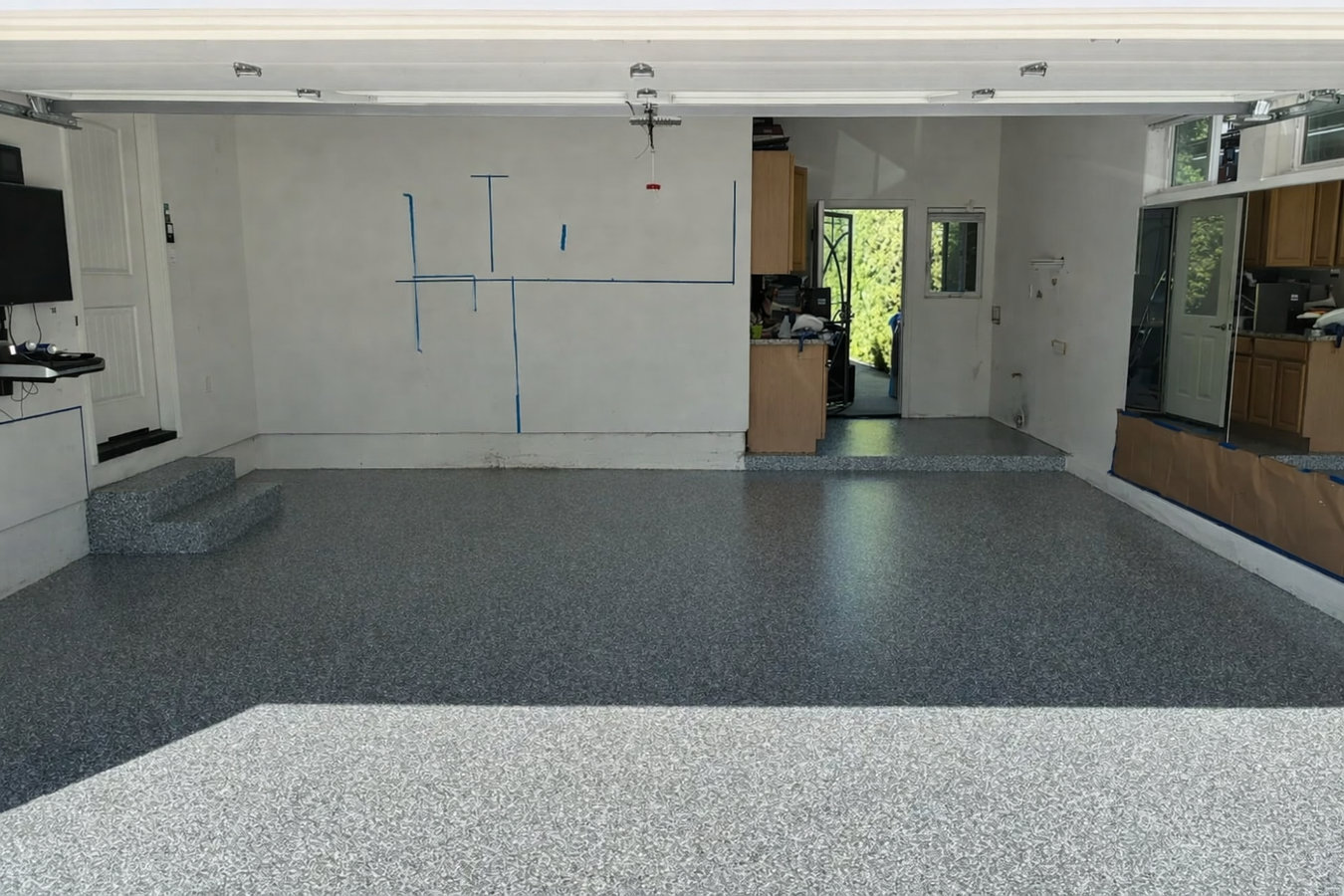
A cracked, uneven, or dirt garage floor is a problem that gets worse every season. We install concrete floors in Abilene built specifically for local clay soil and West Texas heat - with proper base prep and a written quote before any work begins.
Concrete floor installation in Abilene means leveling and compacting the ground, building forms, pouring and smoothing the slab, and finishing the surface - most residential jobs run one to three days of active work, with the floor walkable in 24 to 48 hours and ready for normal use within a week.
The part that separates a floor that lasts from one that cracks in a few years is what happens before the pour. Abilene sits on clay-heavy soil that swells when wet and shrinks during dry spells. A slab poured on inadequately prepared ground will eventually follow that soil movement. A contractor who takes the base preparation seriously - compacting the soil, sometimes stabilizing it, adding gravel where needed - is doing the work that actually determines how long your floor holds up.
If you are finishing out a larger space, our concrete pool decks service handles outdoor surface pours with the same ground-up approach. For garage and workshop floors specifically, see our garage floor concrete service, which covers the full range of residential garage slab options.
If you have filled a crack before and it came back, or if cracks are wider than a pencil, the slab is moving. Abilene's clay soil shifts with every wet-dry cycle, and surface patching will not stop movement that is coming from underneath.
Walk across the floor and tap sections with your foot. An uneven surface - where one part sits visibly higher or lower than another - or hollow-sounding areas signal that the base underneath has shifted. This is especially common in older Abilene homes where the original slab went down on unprepared clay.
Water pooling on your floor after a heavy rain, or damp spots that seem to come from below rather than a leak above, point to drainage problems or low spots collecting moisture. Abilene's pattern of intense rain after dry spells makes this more likely in garages and outbuildings where drainage was not carefully planned.
Many older Abilene garages, workshops, and storage buildings were built on bare dirt or gravel. If you are using that space more seriously now - for a vehicle, a home gym, a workshop - a concrete floor makes it cleaner, safer, and far more durable. A bare-ground space also lets moisture and pests in more easily.
We pour concrete floors for garages, workshops, utility buildings, and conversion spaces across the Abilene area. Standard residential slabs are four inches thick - enough for foot traffic, tools, and typical passenger vehicles. If you plan to park trucks or heavy equipment regularly, we will recommend a five- or six-inch pour from the start. Getting the thickness right on day one costs less than replacing a slab that was under-built for how you actually use the space.
Finishing options - broom texture, trowel-smooth, stain, or sealer - are selected before the pour so the surface delivers what you expected. For spaces that will see heavy use or where appearance matters, a sealed or polished finish extends the floor's life and makes it easier to keep clean. The Concrete Network is a good resource for understanding the range of finish options available. We also handle full replacement pours - breaking out and hauling away the old floor, regrading the base, and starting fresh - for slabs that have shifted past the point where repair makes sense. If the project involves adjacent outdoor surfaces, our concrete pool decks service covers exterior slabs, and our garage floor concrete service covers attached-garage applications in detail.
Four-inch pour on compacted, prepared base for garages, workshops, and utility spaces - the most common residential floor installation.
Thicker pour for spaces that will see regular truck, heavy equipment, or recreational vehicle traffic. Built to handle the extra load without cracking.
Full demolition of the old deteriorated floor, re-grading of the base, and a fresh pour. The right choice when patching is no longer worth it.
Broom finish, trowel polish, stain, or sealer applied after the pour. Adds durability and makes the space cleaner and easier to maintain.
A significant portion of Abilene's housing stock was built between the 1950s and 1970s, and many homes in those neighborhoods have garages, workshops, or outbuildings that were either never properly slabbed or have slabs that have shifted significantly over the decades. When old concrete was poured directly on uncompacted clay without a proper base, the result shows up predictably - uneven surfaces, cracks running across the full length of the floor, and sections that flex or feel hollow underfoot. The Texas A&M AgriLife Extension has documented how clay soil movement affects concrete across West Texas, and Abilene's conditions are among the more demanding in the region.
Abilene summers regularly push past 100 degrees, and fresh concrete loses moisture too fast in that heat if it is not managed. Concrete that dries too quickly before it fully cures can crack before you ever use the space. Experienced local contractors schedule pours for early morning during summer months and apply curing compounds or covers to protect the surface. This is not extra service - it is the minimum required to get a floor that actually reaches its full strength. Homeowners throughout Abilene and the surrounding communities we serve in Midland and Odessa face the same clay-and-heat combination, and the approach is the same across all of them.
The City of Abilene requires permits for certain concrete work, and a reputable contractor will determine whether your project qualifies and pull the permit on your behalf. A permitted floor gets a city inspection, which is your independent assurance that the work met local standards. That documentation also protects you if you sell your home. Contact the City of Abilene Development Services to confirm whether your specific project requires a permit.
Reach out by phone or the contact form. We respond within 1 business day and schedule a free site visit. Phone estimates for concrete floor work are rarely accurate - soil condition and access for equipment both affect the cost significantly.
During the visit we check the grade, assess the base, and determine whether a city permit is required for your project. If one is needed, we handle the application. We also confirm whether 811 utility locating has been completed before any digging begins.
Before pour day, clear the area completely of vehicles, tools, and stored items. If there is an existing floor, we break it out and haul it away - confirm this is in your written quote. We also lay out the forms that will hold the concrete in shape.
In summer, we pour early to beat Abilene's heat and apply a curing compound to protect the surface. You can walk on the floor after 24 to 48 hours and resume normal use within a week. We walk through the finished floor with you before closing out the job.
Free on-site estimate. Written quote before we start. Response within 1 business day.
(325) 283-1159Every member of our crew lives and works in West Texas. They know Abilene's clay soil, summer heat schedule, and city permit process from direct experience on local jobs - not from a general contractor's manual written for wetter climates.
We assess and prepare the base on every floor installation specifically for Abilene's expansive clay. That means proper compaction, gravel where needed, and sometimes soil treatment before the pour - because a floor that skips this step will show it within a few years.
We schedule summer pours for early morning and use curing compounds to prevent surface cracking from moisture loss. A floor poured at midday in 105-degree heat without moisture management is already in trouble. We have seen what Abilene summers do to poorly managed concrete, and we do not cut that corner.
Your estimate spells out demo, base prep, pour, finish, and permits before we start. One of the most common complaints in Abilene's concrete market is getting a low quote and then finding out demo or hauling was not included. We put every item in writing so you know exactly what you are getting.
Concrete floor installation is one of those jobs where the difference between a 5-year floor and a 30-year floor is almost entirely in the preparation work that happens before the truck arrives. That is where we focus our attention, because it is the part that determines whether you are calling us for a repair or calling us to tell a neighbor.
Exterior concrete surfaces around pools and outdoor areas, poured and finished with the same base-prep approach as interior floors.
Learn moreDedicated garage slab options including heavy-duty thickness, epoxy-ready finishes, and full replacement for shifted older pours.
Learn moreSpring and fall are the best seasons for a new pour - call now to get your project on the schedule before Abilene's heat makes scheduling harder.