Loading...
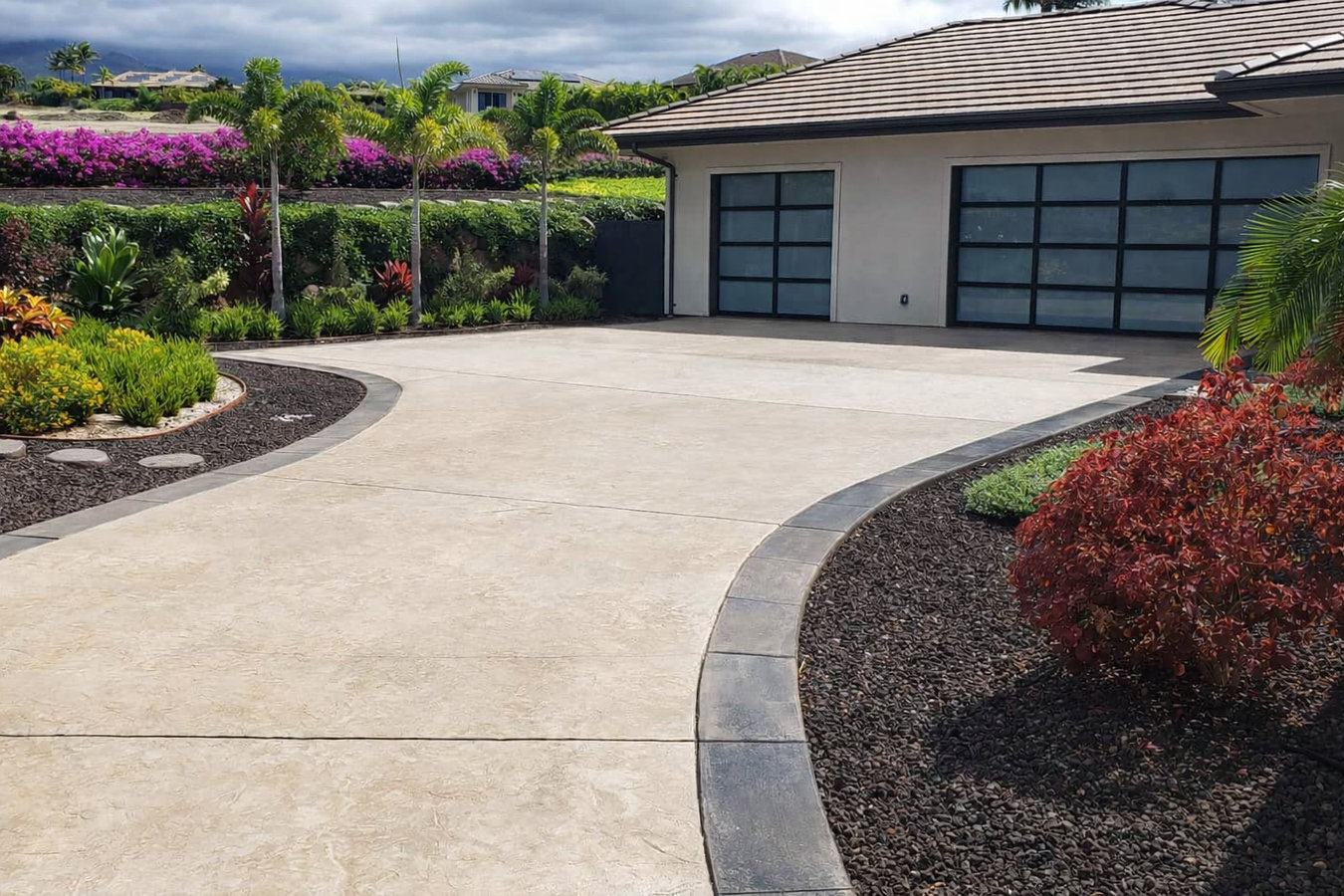
Your driveway takes the full force of West Texas weather every day. We build driveways that handle Abilene's clay soil, triple-digit summers, and heavy vehicle traffic without cracking apart in a few years.
Concrete driveway building in Abilene means removing the old surface, preparing the ground underneath, pouring a properly thick slab, and finishing it with control joints - most jobs take two to four days on-site, though the concrete needs about a week before you should drive on it.
The part most homeowners don't think about until it's too late is what happens under the concrete. Abilene's expansive clay soil swells and shrinks with every rain and dry spell, and a slab poured on poorly prepared ground will show cracks and shifting within just a few years. Ground preparation - compacting the soil, sometimes adding a gravel base - is what determines whether your driveway lasts a decade or three.
If your project includes outdoor areas beyond the driveway, our concrete patio construction service handles backyard slabs with the same ground-up approach. For commercial properties or larger surfaces, see our concrete parking lot building service.
Small hairline cracks are normal, but when cracks open wide enough to fit a pencil inside, water is getting in. In Abilene, that water soaks into the clay soil underneath, which then swells and pushes the slab further apart. Cracks that look minor today tend to get significantly worse after the next heavy rain.
If you feel a bump or a drop when you walk or drive across your driveway, the ground underneath has moved. This is a very common sign in Abilene because of the clay soil. Once sections of a slab start shifting, they rarely settle back into place on their own.
A driveway should slope gently away from your home so rain runs toward the street. If puddles sit on the surface after rain, or water flows toward your garage door or house foundation, the driveway's slope has failed. That drainage problem can damage your foundation over time if it is left alone.
If the top layer of your driveway is breaking off in chips, the concrete has started to deteriorate from the inside out. In Abilene's climate, years of intense UV exposure and repeated wet-dry cycles accelerate this kind of breakdown. Once it starts, it typically spreads quickly across the whole surface.
We handle every type of residential concrete driveway project in the Abilene area - from full replacements on older homes to new pours on properties that never had a paved surface. Standard residential driveways are poured four inches thick, which handles typical passenger car and light truck traffic. If you park a heavier vehicle regularly, we'll recommend a five- or six-inch pour from the start rather than having you call us back in five years.
Decorative options - stamped patterns, exposed aggregate, broom finishes, or colored concrete - are decided before the pour, not after. We walk you through the choices during the estimate so the finished surface reflects what you actually wanted. Control joints are cut into every slab we pour, whether plain or decorative. They're not a cosmetic detail; they're what keeps cracks from running randomly across your surface as temperatures change.
Four-inch broom-finished slab with control joints. The most durable, low-maintenance option for typical residential use.
Thicker pour for homeowners who regularly park trucks, RVs, or trailers. Built to handle the extra load without cracking.
Patterns and color pressed into the wet concrete before it sets. Gives the curb appeal of pavers at a lower installed cost.
Full removal of the old slab, ground prep, and a new pour. The right choice when the existing surface is too far gone to repair.
Abilene's clay soil is one of the most challenging substrates in Texas for any concrete work. The soil swells when it rains and shrinks during the long dry spells, and a driveway slab sitting on top of that movement will eventually crack unless the ground was prepared to handle it. Many driveways in older Abilene neighborhoods - especially those built in the 1950s through 1980s in areas like Elmwood and the blocks near Hardin-Simmons University - are now showing exactly what happens when that prep step was skipped. The Texas A&M AgriLife Extension has documented the prevalence of shrink-swell soils across the Abilene region.
Summer heat is the other factor locals know firsthand. Abilene regularly hits 100 degrees or above from June through August, and fresh concrete loses moisture much faster in that heat than in moderate temperatures. We schedule pours for early morning during hot months and use curing compounds to slow the drying process - steps that matter less in cooler climates but make a real difference here.
We serve the full Abilene metro and surrounding communities. Homeowners in Brownwood, San Angelo, and Midland deal with the same clay soil challenges and can expect the same approach.
Reach out by phone or form. We respond within 1 business day to schedule a free on-site estimate. We'll ask a few basic questions about your driveway size and whether you're replacing an existing surface or pouring new.
We visit your property to check soil conditions, drainage, and the existing surface. You get a written quote covering size, thickness, materials, and what's included - before any work begins.
We handle the City of Abilene permit on your behalf and give you a confirmed start date once it's in hand. This step usually adds a few days but ensures the work is inspected and on record.
We remove the old surface, grade and compact the ground, and pour the concrete. Control joints are cut before it hardens. In summer, we start early to beat the heat and use curing compounds to protect the surface.
We respond within 1 business day. There's no obligation - just a straight answer about what your driveway needs and what it will cost. After you submit, someone from our office will call to schedule a free on-site visit.
(325) 283-1159Every job is staffed by people who live and work in West Texas. We know Abilene's clay soil, summer heat, and City permit process from years of hands-on experience - not from a manual.
We carry full liability insurance and workers' compensation on every job. If something unexpected happens on your property, you are covered. Ask any contractor you talk to for a current certificate before work starts.
We do not give phone estimates for concrete work because site conditions matter too much. Every quote starts with a free visit to your property so you get an accurate number, not a range that doubles when we show up.
We respond to every inquiry within 1 business day and put the full scope of work in writing before a single shovel touches your yard. No verbal agreements, no surprise charges after the job is done.
Driveway contractors in Abilene range from experienced local crews to out-of-area companies that show up after storms. The difference shows up in whether the ground was properly prepared, whether the permit was actually pulled, and whether the concrete was poured at the right time of day. Those details are not visible in the finished surface - but they determine whether your driveway holds up for 30 years or starts showing cracks within three.
Questions? Call us directly at (325) 283-1159
Extend your usable outdoor space with a concrete patio built to handle Abilene's clay soil and summer heat - same ground-up approach as our driveway work.
Learn moreCommercial and multi-vehicle concrete parking surfaces for businesses and properties that need a heavier-duty pour than a standard residential driveway.
Learn moreCracks and shifting don't fix themselves - the longer you wait, the more prep work the next crew will need to do. Call or submit a form today and we'll get out to your property within the week.