Loading...
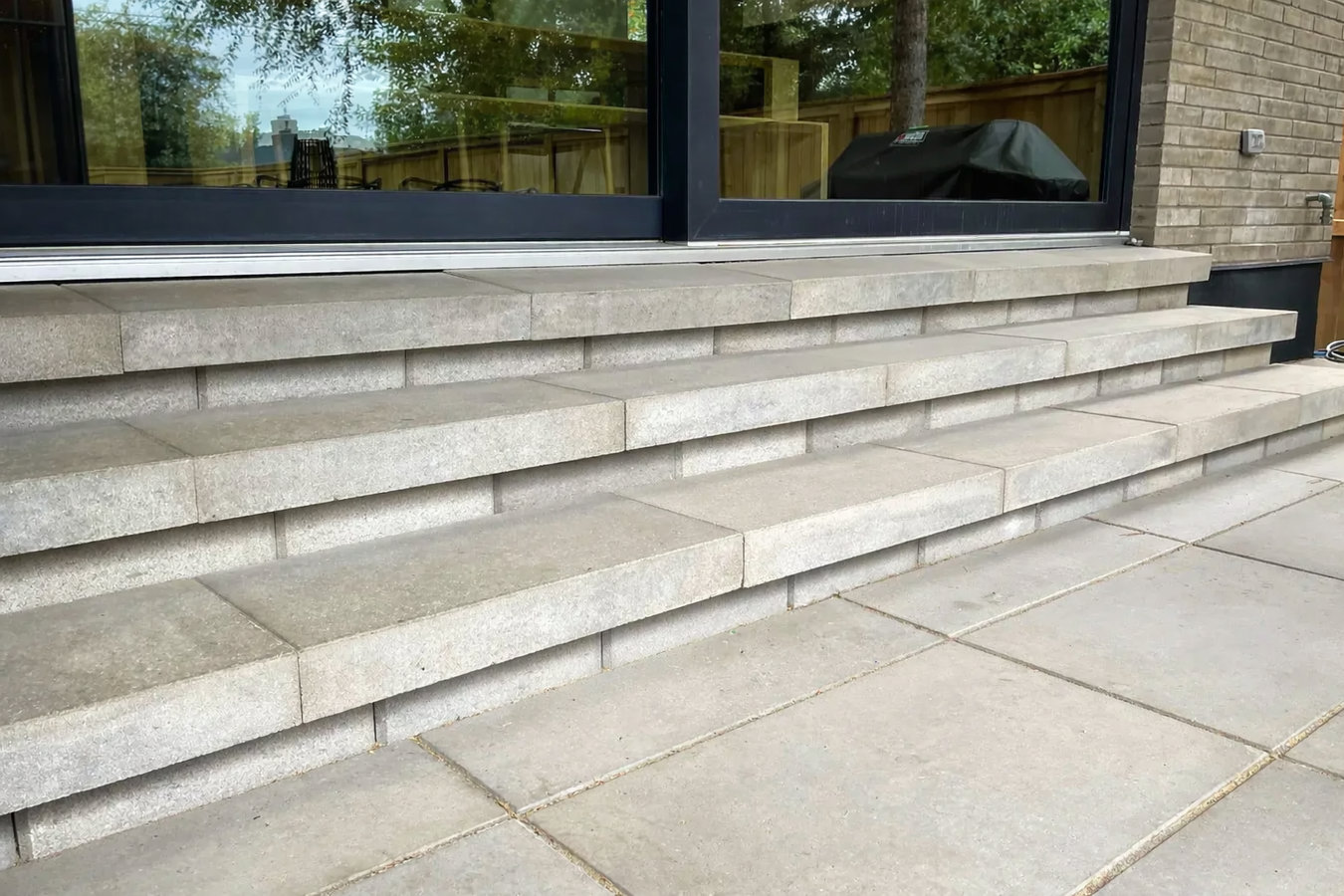
Sunken, cracked, or crumbling steps are a safety hazard and the first thing visitors notice. We build concrete steps in Abilene that handle the area's clay soil movement and hold up through decades of West Texas weather.
Concrete steps construction in Abilene means building or replacing entry steps with a properly compacted base, steel reinforcement, and a finish suited to West Texas weather - most jobs take one to two days of active work, with the concrete ready for light foot traffic within 24 to 48 hours.
The single biggest factor in how long concrete steps last in this area is what happens below the surface. Abilene's shrink-swell clay soil is the reason so many steps in older neighborhoods, especially those built in the 1950s through 1970s near areas like Elmwood and the Hardin-Simmons district, have sunk or cracked over the years. A replacement that skips proper base preparation will develop the same problems on a similar timeline. The Portland Cement Association publishes technical guidance on concrete construction that informs the base and reinforcement standards we apply to every steps project.
If your front entry project also includes a new walkway from the sidewalk to the door, our slab foundation building service handles larger ground-level concrete work with the same preparation standards. For homeowners upgrading the full exterior of their home's entry, our concrete sidewalk building service ties the path and landing together cleanly.
Small hairline cracks can be normal as concrete ages, but cracks wide enough to fit a coin into, or cracks running all the way through a step, mean the structure is compromised. In Abilene, these typically result from the clay soil shifting underneath through wet and dry cycles. Once cracking reaches this stage, patching buys limited time; replacement with proper base preparation is the more reliable fix.
If a step has dropped lower than the others or the whole staircase leans to one side, the soil underneath has shifted or eroded. This is especially common in Abilene neighborhoods built on expansive clay. A tilted step is a tripping hazard that creates real liability if a visitor falls, and the movement rarely stabilizes on its own.
If the concrete looks like the top layer is peeling away or has small craters across it, the surface is deteriorating. Years of West Texas heat, occasional freeze-thaw cycles, and foot traffic all contribute. At this stage the steps are harder to clean, less safe to use, and will continue breaking down faster than a sound surface would.
Many Abilene homes built in the 1950s through 1970s still have their original steps, often poured without the reinforcement or drainage gravel that modern construction requires. Even steps that look acceptable from the front may show crumbling or hollow spots at the edges and underside. If yours have never been replaced, a close inspection is worth scheduling before a larger failure occurs.
We build and replace concrete steps for front entries, back porches, garage access points, and additions across the Abilene area. Every project includes steel reinforcement inside the concrete and a compacted gravel base underneath, because those two elements are what determine whether steps hold their position over years of soil movement. Skipping either to save money upfront is the reason steps fail prematurely here.
Surface finish options include broom finish, stamped patterns, and stained or colored concrete. Broom finish is our recommendation for most Abilene front entries because it provides real grip through dusty, wet, and occasionally icy conditions without requiring resealing to stay safe. Decorative finishes are available for homeowners prioritizing curb appeal or resale presentation. Our slab foundation building work and concrete sidewalk building service can be combined with a steps project for homeowners upgrading the full approach to their home.
Broom-finished concrete with steel reinforcement and drainage gravel base, suited for most front and back entry replacements in Abilene's residential neighborhoods.
Wider staircase with a poured landing at the top, suited for homes where the original entry design included multiple approach directions.
Decorative finish that coordinates with your home's exterior, suited for homeowners focused on curb appeal or resale presentation.
First-time installation where no steps previously existed, suited for additions, new garage entries, or homes that have relied on wood stairs.
A large share of Abilene's housing stock was built between the 1950s and 1980s, and many of those homes still have their original concrete steps. Steps from that era were often poured without proper reinforcement or a drainage gravel base, and decades of Taylor County's shrink-swell clay soil have done exactly what you would expect: cracking, sinking, and tilting. The Texas A&M AgriLife Extension has documented this soil behavior extensively across the region, and their soil science resources confirm what local contractors see on the ground every day.
Summer heat is the other challenge. Abilene regularly sees temperatures above 100 degrees Fahrenheit, and concrete poured in extreme heat can dry too fast on the surface while the core is still curing, which leads to surface cracking and a weaker finished product. Experienced local contractors schedule pours for early morning and use additives that slow the drying process. If a contractor wants to pour your steps at midday in July with no adjustments for the heat, that is worth raising as a concern before work starts.
We work with homeowners throughout Abilene and surrounding communities including Brownwood and Stephenville, where similar clay soil conditions create the same challenges for concrete steps. The permit process and inspection requirements at the City of Abilene are handled by us from start to finish.
Reach out by phone or through the contact form. We respond within 1 business day to get basic information about your entry, the number of steps, and whether existing steps need to be removed.
We visit your property to check soil and drainage conditions, measure the area, and discuss finish options. You receive a written quote covering scope, materials, and timeline before any work is committed to.
If a permit is required, we handle the application with the City of Abilene Development Services department so you do not have to. Once approved, you get a confirmed start date with the timeline in writing.
Old steps are demolished and hauled away if needed. We compact the base, add drainage gravel, place steel reinforcement, and pour and finish the concrete. In summer we schedule early-morning pours to avoid peak heat, which protects the surface quality.
Free on-site estimate, written quote before any work starts. We respond within 1 business day.
(325) 283-1159Our crew lives and works in West Texas. We understand what Abilene's clay soil, summer heat, and seasonal drought cycles do to concrete steps, and every project accounts for those conditions from the ground up.
We carry general liability insurance and workers' compensation coverage on all projects. Ask any contractor you are evaluating for a current insurance certificate before work begins on your property.
We manage the City of Abilene permit process from application to inspection sign-off. Having the work on record protects you during a home sale and confirms an inspector has reviewed the finished project.
Every estimate starts with a free on-site visit. We do not quote over the phone for concrete work because site conditions matter too much. You get the full scope in writing before a single form board is set.
We have completed concrete steps projects across Abilene's established neighborhoods, newer subdivisions, and surrounding communities. Every project is permitted, insured, and built by people who understand what West Texas soil and weather actually demand from concrete construction. The City of Abilene Development Services is the official source for local permit requirements, and we work within that process on every project.
Ground-level concrete slabs for garages, additions, and outbuildings, poured with the same base preparation that prevents sinking on Abilene's clay soil.
Learn moreTie your new front entry steps to a clean, level walkway from the street, installed to handle West Texas ground movement and temperature swings.
Learn moreSpring and summer calendars fill up fast, and crumbling steps only get worse with each rain and dry spell, so the sooner you call the better the timing.